
Vanadium
Vanadium Boride Sputtering Target VB
Vanadium Boride (VB) Sputtering Target
Product SKU: | TA4410, TA4411 |
CAS#: | 12045-27-1 |
Molar Mass: | 61.75 g/mol |
Density: | 5.54 g/cm3 |
Melting Point: | 2,250 °C |
Shape: | Discs, Rectangle, Step, Plates, Sheets, Rods, Custom-Made |
Dimension: | Diameter (200mm), Length (300mm), Width (200mm), Thickness (1mm), Custom-Made |
MSE Supplies is a premier supplier of quality manufactured sputtering targets; we supply custom chemical compositions, purity and sizes. Our wide variety of targets are grouped by high purity metals, alloys, ceramics, and doped. Our pricing is competitive and we consistently offer price matching for our customers.

Vanadium Boride Sputtering Target VB

MSE PRO Vanadium Sputtering Target V

MSE PRO Nickel Vanadium Sputtering Target NiV

MSE PRO Vanadium Carbide Sputtering Target VC

MSE PRO 2N7 (99.7%) Vanadium (V) Pellets Evaporation Material

 2“>
2“>MSE PRO Vanadium Silicide Sputtering Target VSi2
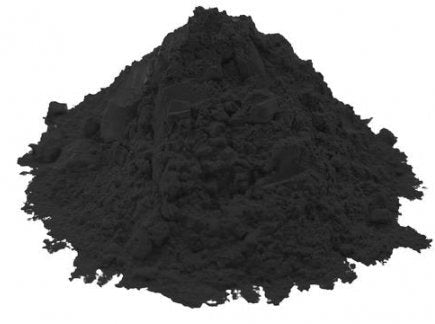
MSE PRO >99 wt.% Titanium Vanadium Carbide (TiVC) MXene Material, 1g
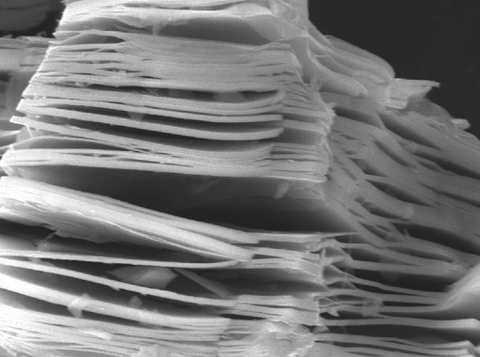 2C) MXene Material – MSE Supplies LLC”>
MSE PRO Vanadium Carbide (V2C) MXene Multilayer Flakes
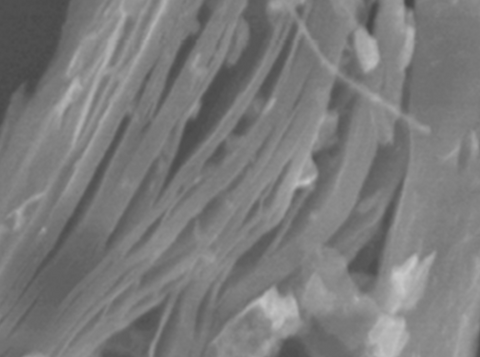
 2N) MXene Material, 1g – MSE Supplies LLC”>
MSE PRO Multilayer Vanadium Nitride (V2N) MXene Material, 1g
 2O5 – MSE Supplies LLC”>
MSE PRO Vanadium Oxide Sputtering Targets V2O5
 2AlC) MAX Phase Micron-Powder (1-40μm), 10g – MSE Supplies LLC”>
MSE PRO Vanadium Aluminum Carbide (V2AlC) MAX Phase Micron-Powder (1-40μm), 10g
 4AlC3) MAX Phase Micron-Powder – MSE Supplies LLC”>
MSE PRO Vanadium Aluminum Carbide (V4AlC3) MAX Phase Micron-Powder
 4C3Tx) MXene Multilayer Nanosheet, 1g – MSE Supplies LLC”>
MSE PRO Surface Modified Vanadium Carbide (V4C3Tx) MXene Multilayer Nanosheet
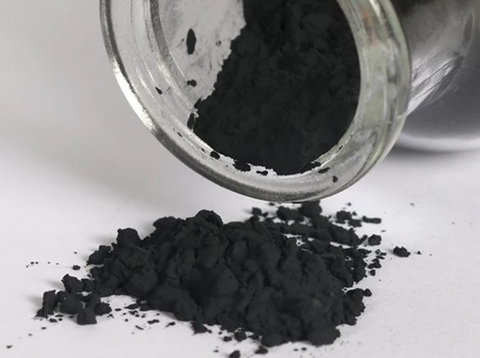 3V2(PO4)3] Cathode Material For Sodium Ion Batteries – MSE Supplies LLC”>
MSE PRO 10g Sodium Vanadium Phosphate [Na3V2(PO4)3] Cathode Material For Sodium Ion Batteries
TRANS AFRICA CONTAINERS MINING SARLU: A Comprehensive Overview of Vanadium
Introduction to Vanadium
Vanadium is a transition metal that is gaining significant attention in various industries due to its unique properties and applications. It is primarily known for its role in steel production, where it enhances strength, toughness, and resistance to corrosion. However, vanadium’s potential extends far beyond metallurgy; it plays a crucial role in energy storage solutions, particularly in vanadium redox flow batteries (VRFBs), which are becoming increasingly important as the world shifts towards renewable energy sources.
The Importance of Vanadium in Modern Industry
Metallurgical Applications
- Vanadium is predominantly used as an alloying agent in steelmaking. It improves the mechanical properties of steel, making it stronger and more durable. This is particularly valuable in industries such as construction, automotive manufacturing, and aerospace.
- The addition of just a small percentage of vanadium can significantly enhance the yield strength of steel. For instance, vanadium-containing steels are often used in high-stress applications like pipelines and structural components.
Energy Storage Solutions
- One of the most promising applications of vanadium lies in energy storage technologies. Vanadium redox flow batteries (VRFBs) utilize vanadium ions to store and release energy efficiently.
- VRFBs offer several advantages over traditional lithium-ion batteries, including longer cycle life, scalability, and enhanced safety features. They are particularly well-suited for large-scale energy storage systems that support renewable energy integration.
Chemical Applications
- Beyond its use in metallurgy and energy storage, vanadium compounds are utilized in various chemical processes. For example, vanadium pentoxide (V2O5) serves as a catalyst in the production of sulfuric acid and other chemicals.
- Additionally, vanadium is being explored for its potential use in catalysts for environmental applications, such as reducing nitrogen oxides (NOx) emissions from industrial processes.
Vanadium Mining: An Overview
Mining operations focused on extracting vanadium are critical to meeting the growing demand for this versatile metal. The primary sources of vanadium include:
Vanadiferous Titanomagnetite Ores
- These ores contain significant amounts of titanium along with vanadium. They are primarily mined from regions such as South Africa and China.
- The extraction process involves crushing the ore and using magnetic separation techniques to isolate vanadium-rich concentrates.
Phosphate Rocks
- Some phosphate deposits also contain appreciable amounts of vanadium. The extraction process typically involves leaching methods that allow for the recovery of both phosphorus and vanadium.
Secondary Sources
- Recycling plays an increasingly important role in the supply chain for vanadium. Scrap metal from steel production can be processed to recover valuable vanadium content.
TRANS AFRICA CONTAINERS MINING SARLU: Pioneering Vanadium Extraction
TRANS AFRICA CONTAINERS MINING SARLU stands at the forefront of sustainable mining practices focused on extracting high-quality vanadium resources across Africa. Our commitment to responsible mining ensures that we not only meet industry demands but also prioritize environmental stewardship and community engagement.
Sustainable Mining Practices
- We employ state-of-the-art technologies that minimize environmental impact during extraction processes.
- Our operations adhere strictly to international standards for sustainability and safety, ensuring that our activities benefit local communities while preserving natural ecosystems.
Innovative Processing Techniques
- At TRANS AFRICA CONTAINERS MINING SARLU, we utilize advanced processing techniques that maximize recovery rates while minimizing waste.
- Our facilities are equipped with cutting-edge technology designed to efficiently extract vanadium from ores while adhering to stringent quality control measures.
Community Engagement Initiatives
- We believe that successful mining operations should contribute positively to local communities.
- Our community engagement initiatives focus on education, healthcare access, and economic development programs aimed at improving the quality of life for residents near our mining sites.
The Future of Vanadium: Trends and Innovations
As global demand for renewable energy solutions continues to rise, so too does interest in innovative applications for vanadium:
Growth of Renewable Energy Storage
- With increasing investments in solar and wind power generation, there is a pressing need for efficient energy storage systems capable of balancing supply and demand fluctuations.
- VRFBs represent a key solution due to their ability to provide long-duration energy storage capabilities essential for grid stability.
Advancements in Battery Technology
- Research into enhancing VRFB performance through improved electrolyte formulations or novel membrane technologies is ongoing.
- These advancements aim to increase efficiency while reducing costs associated with large-scale deployment.
Market Dynamics Influencing Vanadium Prices
- The price dynamics surrounding vanadium have been influenced by factors such as geopolitical tensions affecting supply chains or changes in regulatory frameworks promoting green technologies.
- Investors closely monitor these trends as they can significantly impact market opportunities within the mining sector.
Conclusion: TRANS AFRICA CONTAINERS MINING SARLU’s Commitment to Excellence
In conclusion, TRANS AFRICA CONTAINERS MINING SARLU embodies excellence within the realm of sustainable mining practices focused on extracting valuable resources like vanadium responsibly. As industries evolve towards greener alternatives powered by renewable energies—coupled with our dedication towards innovation—we remain committed not only towards meeting current demands but also paving pathways into future possibilities where both people & planet thrive harmoniously together!
Vanadium’s Position on the Periodic Table
In the periodic table, vanadium is located in group 5 and period 4. It has an atomic mass of approximately 50.9415 u. The arrangement of elements in the periodic table reflects their atomic structure and properties, with vanadium being positioned among other transition metals such as titanium (Ti), chromium (Cr), manganese (Mn), iron (Fe), and niobium (Nb). This placement indicates its similar characteristics with these metals, including high melting points and good conductivity.
Electron Configuration of Vanadium
The electron configuration of vanadium provides insight into its chemical behavior. The electronic configuration can be expressed as follows:
- Ground state: [Ar]3d34s2
This notation indicates that vanadium has three electrons in its d-orbital and two electrons in its s-orbital. The presence of unpaired electrons in the d-orbital contributes to vanadium’s ability to form various oxidation states, which range from -1 to +5. This versatility makes vanadium valuable in many chemical reactions and industrial processes.
Vanadium Symbol and Its Significance
The symbol for vanadium, “V,” is derived from the name of the Norse goddess Vanadis, reflecting the element’s beauty and strength. This simple yet powerful symbol represents not only the element itself but also its significance in modern technology and industry.
Vanadium Chromium Steel: A Powerful Alloy
One of the most notable applications of vanadium is in the production of high-strength steel alloys, particularly those containing chromium. Vanadium chromium steel combines the properties of both elements to create materials that are exceptionally strong, durable, and resistant to wear.
The addition of vanadium enhances the hardness and toughness of steel while improving its resistance to corrosion. These qualities make vanadium chromium steel ideal for use in demanding environments such as construction, automotive manufacturing, aerospace engineering, and tool making.
The typical composition of vanadium chromium steel includes around 0.1% to 0.5% vanadium along with varying amounts of chromium (usually between 0.5% to 2%). This combination allows for improved mechanical properties compared to standard carbon steels or even other alloy steels without vanadium.
Health Benefits: Vanadium Supplements
Beyond industrial applications, vanadium has garnered attention for its potential health benefits when used as a dietary supplement. Some studies suggest that vanadyl sulfate—a form of vanadium—may help improve insulin sensitivity and glucose metabolism, making it a subject of interest for diabetes management.
However, it’s important to note that while some preliminary research shows promise regarding these health benefits, more extensive clinical trials are needed to fully understand how effective vanadyl sulfate supplements are for human health.
As with any supplement, individuals should consult healthcare professionals before incorporating them into their diet due to potential side effects or interactions with medications.
Chemical Properties of Vanadium
As a chemical element, vanadium exhibits several interesting properties:
- Atomic Number: 23
- Atomic Mass: Approximately 50.9415 u
- Density: About 6.11 g/cm³
- Melting Point: Approximately 1910 °C (3470 °F)
- Boiling Point: Approximately 3407 °C (6155 °F)
These physical characteristics contribute to its utility across various fields—from metallurgy to electronics—where high-temperature stability is often required.
Vanadium’s Role in Modern Technology
In recent years, there has been growing interest in using vanadium in energy storage systems—particularly in flow batteries—which utilize its redox properties for efficient energy transfer during charging and discharging cycles. These systems are seen as promising solutions for renewable energy integration due to their scalability and long cycle life.
Moreover, ongoing research continues to explore new applications for this versatile element within nanotechnology and catalysis fields where it may serve as a catalyst or precursor material due to its unique electronic structure.
Conclusion: The Importance of Vanadium
In summary, TRANS AFRICA CONTAINERS MINING SARLU recognizes the critical role that elements like vanadium play not only within industrial contexts but also concerning health advancements through supplementation research efforts aimed at improving quality-of-life outcomes related specifically towards metabolic disorders such as diabetes mellitus type II among others.
With ongoing developments surrounding both traditional uses—such as alloy production—and emerging technologies like energy storage solutions utilizing advanced battery designs featuring this remarkable transition metal; understanding all aspects related directly back towards our original focus here today will remain paramount moving forward into future endeavors involving sustainable practices across multiple sectors worldwide!
Chromium
Chromium is an essential element used in numerous industrial applications, particularly in the production of stainless steel and other alloys. This product description aims to provide an in-depth understanding of chromium, its significance, and how TRANS AFRICA CONTAINERS MINING SARLU contributes to the global market.
Understanding Chromium: Properties and Applications
Chromium (Cr) is a transition metal known for its lustrous appearance and high corrosion resistance. It has an atomic number of 24 and is primarily found in nature as chromite ore (FeCr2O4). The extraction of chromium from chromite involves several processes, including roasting and reduction, which yield ferrochrome—a key ingredient in stainless steel production.
The properties that make chromium highly valuable include:
Corrosion Resistance: Chromium forms a thin oxide layer on its surface when exposed to oxygen, which protects it from rusting and corrosion. This property is crucial for materials used in harsh environments.
High Melting Point: With a melting point of approximately 1,907 °C (3,465 °F), chromium can withstand high temperatures without losing its structural integrity.
Hardness: Chromium adds hardness to alloys, making them suitable for various applications where durability is essential.
Coloring Agent: In addition to its industrial uses, chromium compounds are employed as pigments in paints and dyes due to their vibrant colors.
The primary application of chromium is in the production of stainless steel, which contains 10-30% chromium by weight. Stainless steel’s resistance to oxidation makes it ideal for kitchenware, cutlery, medical instruments, and construction materials.
Other significant applications include:
- Ferrochrome Production: Used as an alloying agent in steelmaking.
- Chemical Industry: Utilized in producing chemicals like chromic acid.
- Plating: Employed for chrome plating to enhance aesthetic appeal and corrosion resistance.
- Refractory Materials: Used in manufacturing bricks that can withstand high temperatures.
Global Demand for Chromium
The demand for chromium has been steadily increasing due to the growing need for stainless steel across various industries such as automotive, construction, and consumer goods. According to recent market analyses, the global stainless steel market was valued at approximately $120 billion in 2020 and is projected to reach around $200 billion by 2028. This growth directly correlates with the demand for chromium since stainless steel production accounts for over 70% of global chromium consumption.
Emerging economies such as China and India are significant contributors to this demand surge. China alone accounted for more than half of the world’s total stainless steel production as of 2021. As these countries continue to industrialize and urbanize rapidly, their need for durable materials will further drive up the demand for chromium-based products.
TRANS AFRICA CONTAINERS MINING SARLU’s Role in Chromium Supply
TRANS AFRICA CONTAINERS MINING SARLU plays a critical role in meeting this rising demand by ensuring a steady supply of high-quality chromite ore from Africa’s rich mineral deposits. The company operates within several key regions known for their abundant mineral resources:
- South Africa: Home to some of the largest chromite reserves globally.
- Zimbabwe: Known for its high-grade chromite deposits.
- Turkey: An emerging player with significant reserves contributing to global supply.
By leveraging advanced mining techniques and sustainable practices, TRANS AFRICA CONTAINERS MINING SARLU ensures efficient extraction while minimizing environmental impact. The company adheres strictly to international regulations regarding mining operations and environmental protection standards.
Furthermore, TRANS AFRICA CONTAINERS MINING SARLU emphasizes quality control throughout its supply chain—from extraction through processing—to guarantee that clients receive only top-grade materials suitable for their specific needs.
Sustainability Practices at TRANS AFRICA CONTAINERS MINING SARLU
In today’s environmentally conscious world, sustainability has become paramount within the mining industry. TRANS AFRICA CONTAINERS MINING SARLU recognizes this responsibility and actively implements practices aimed at reducing ecological footprints while promoting social responsibility within local communities.
Key sustainability initiatives include:
Rehabilitation Programs: After mining activities conclude at a site, rehabilitation efforts are undertaken to restore ecosystems affected by operations.
Water Management Systems: Efficient water usage strategies are employed during mining processes to minimize waste.
Community Engagement: The company collaborates with local communities through job creation initiatives and educational programs aimed at improving living standards.
Renewable Energy Use: Where feasible, renewable energy sources are integrated into operations to reduce reliance on fossil fuels.
These initiatives not only help preserve natural resources but also foster goodwill among local populations—an essential aspect of responsible mining practices today.
Future Outlook for Chromium Mining
As we look ahead into the future landscape of chromium mining and usage trends:
Technological Advancements: Innovations such as automated mining equipment will likely enhance efficiency while reducing operational costs.
Recycling Initiatives: Increased focus on recycling stainless steel could alter raw material demands; however, primary sources like those provided by TRANS AFRICA CONTAINERS MINING SARLU will remain vital due to ongoing industrial growth.
Market Dynamics Shifts: Geopolitical factors may influence supply chains; thus companies must remain agile enough to adapt quickly should disruptions occur within major producing regions or changes arise regarding trade policies affecting mineral exports/imports globally.
Environmental Regulations Impacting Operations: Stricter regulations concerning emissions may necessitate further investment into cleaner technologies across all stages—from extraction through processing—ensuring compliance while maintaining profitability margins amidst evolving industry standards set forth by governing bodies worldwide.
In conclusion,
TRANS AFRICA CONTAINERS MINING SARLU stands out not just as a supplier but also as an advocate committed towards sustainable development within Africa’s rich mineral landscape—particularly concerning crucial elements like chromium that underpin modern manufacturing processes across diverse sectors globally!
99 wt.% Titanium Vanadium Carbide (TiVC) MXene Material, 1g
99 wt.% Titanium Vanadium Carbide (TiVC) MXene Material, 1g
- Chemical Name: Titanium Vanadium Carbide (TiVC)
- CAS Number: N/A
- Product Number: 1g (PO6762)
- Appearance: Black Powder
- Diameter: 1-5 um
- Purity: >99 wt.%
- Storage Conditions: low temperature, dry and sealed must be stored in an inert atmosphere
- Process: HF treatment or HCl+LiF treatment
We also offer single layer and multilayer powder and solution with different surface function, please contact us for more detail.
Applications
Titanium Vanadium Carbide (TiVC), is a typical representative material among the emerging family of 2D layered transition metal carbides and/or nitrides referred to as MXenes. It has exhibited multiple advantages such as metallic conductivity, a plastic layer structure, small band gaps, and the hydrophilic nature of its functionalized surface. It is widely used for energy storage applications such as supercapacitors, lithium-ion batteries, sodium-ion batteries, and lithium–sulfur batteries. It also can be used for electromagnetic interference (EMI) shielding coatings, semiconductors and catalysis.
Titanium Vanadium Carbide (TiVC) MXene Material is an advanced form of two-dimensional material with excellent electrochemical properties. TiVC, MXene material allows for rapid charge-discharge cycles with minimal capacity loss. Its potential for use as a supercapacitor in energy storage systems makes it ideal for a wide range of applications.
Notes: More detailed product information including SDS, certificate of analysis (COA), lead time and volume pricing are available upon request. Please contact MSE Supplies if you need bulk pricing.
References
1. Synthesis and surface chemistry of 2D TiVC solid-solution MXenes. ACS applied materials & interfaces 12, no. 17 (2020): 20129-20137.
2. Computational screening of pristine and functionalized ordered TiVC MXenes as highly efficient anode materials for lithium-ion batteries. Nanoscale 13, no. 5 (2021): 2995-3001.