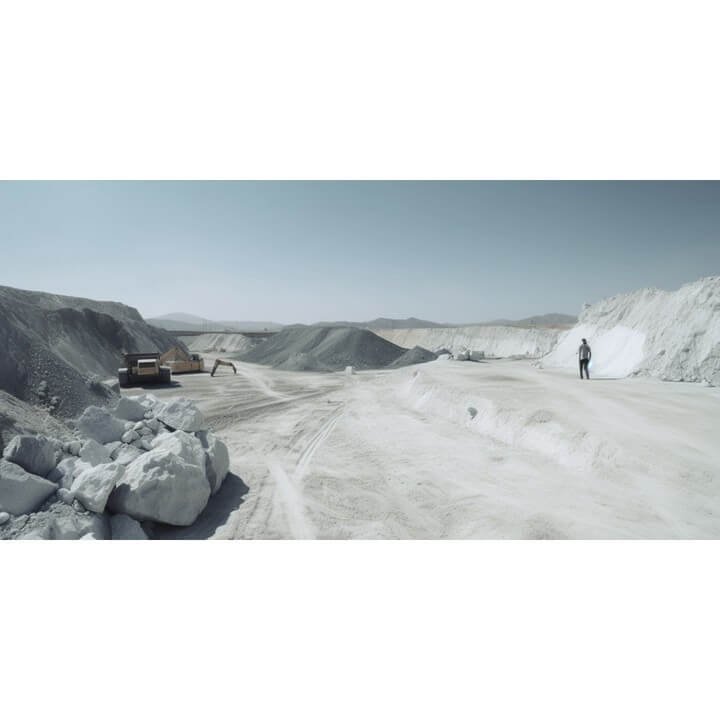
Lithium
TRANS AFRICA CONTAINERS MINING SARLU: A Comprehensive Overview of Lithium and Its Applications
Introduction to Lithium
Lithium, a soft, silvery-white alkali metal, is increasingly recognized for its critical role in modern technology and energy storage solutions. As the world shifts towards renewable energy and electric vehicles (EVs), lithium has emerged as a key component in lithium-ion batteries, which power everything from smartphones to electric cars. The demand for lithium continues to surge, driven by advancements in battery technology and the growing need for sustainable energy sources.
The Importance of Lithium in Modern Technology
Lithium’s unique properties make it an ideal candidate for various applications. It has a low atomic weight, high electrochemical potential, and excellent thermal stability. These characteristics contribute to its effectiveness in batteries, particularly lithium-ion batteries (LIBs), which are widely used due to their high energy density and rechargeability.
Lithium-Ion Batteries: These batteries are the backbone of portable electronics and electric vehicles. They consist of a cathode (often made from lithium cobalt oxide or lithium iron phosphate), an anode (typically graphite), and an electrolyte that facilitates ion movement between the electrodes during charging and discharging cycles.
Rechargeable Nature: One of the most significant advantages of lithium-ion batteries is their ability to be recharged multiple times without significant degradation in performance. This feature makes them suitable for applications requiring frequent cycling, such as consumer electronics and electric vehicles.
Lithium Iron Phosphate Batteries: A specific type of lithium-ion battery, lithium iron phosphate (LiFePO4) batteries offer enhanced safety and thermal stability compared to traditional lithium cobalt oxide batteries. They are increasingly used in electric buses, stationary storage systems, and other applications where safety is paramount.
The Role of Lithium in Electric Vehicles
As governments worldwide push for greener transportation solutions, the automotive industry is rapidly transitioning towards electric vehicles powered by lithium-ion batteries. Companies like Lithium Americas Corp are at the forefront of this transition, focusing on sustainable mining practices to meet the growing demand for lithium.
Lithium Mining: The extraction of lithium typically occurs through two primary methods: hard rock mining and brine extraction. Hard rock mining involves extracting spodumene ore from underground deposits, while brine extraction involves pumping mineral-rich water from salt flats or salars to evaporate water and concentrate lithium salts.
Where Lithium is Mined: Major global sources of lithium include Australia (primarily through hard rock mining), Chile, Argentina (both utilizing brine extraction), and China. These regions contain vast reserves that are essential for meeting global demand.
Sustainability Concerns: As demand increases, so do concerns about the environmental impact of lithium mining. Companies like TRANS AFRICA CONTAINERS MINING SARLU prioritize sustainable practices that minimize ecological disruption while maximizing resource recovery.
Health Implications of Lithium
Beyond its technological applications, lithium also plays a crucial role in medicine:
Lithium Medication: In psychiatry, lithium carbonate is commonly prescribed as a mood stabilizer for individuals with bipolar disorder. It helps regulate mood swings by influencing neurotransmitter activity in the brain.
Effects of Lithium on Mental Health: Research indicates that appropriate doses can significantly reduce the frequency and severity of manic episodes while also providing some antidepressant effects during depressive phases.
Monitoring Levels: Patients on lithium medication require regular monitoring due to potential side effects associated with elevated levels in the bloodstream.
Investing in Lithium Stocks
As interest in renewable energy grows, so does investment in companies involved in lithium production:
Lithium Americas Stock: Investors are increasingly looking at stocks related to lithium production as they anticipate continued growth driven by EV adoption and renewable energy technologies.
Market Dynamics: The price volatility associated with lithium stocks can be influenced by various factors including supply chain disruptions, regulatory changes regarding mining practices, technological advancements in battery chemistry, and shifts in consumer preferences towards sustainable products.
Comparative Analysis with Other Battery Technologies: When considering investments or applications involving batteries, it’s essential to compare different types such as nickel-metal hydride (NiMH) versus alkaline batteries against their performance metrics relative to cost-effectiveness over time.
Conclusion
In summary, TRANS AFRICA CONTAINERS MINING SARLU stands at a pivotal intersection where technology meets sustainability through responsible sourcing of one of today’s most vital resources—lithium. With its extensive applications ranging from powering our devices to stabilizing mental health conditions through medication, understanding this element’s multifaceted role is crucial as we navigate toward a more sustainable future.
The ongoing developments within the field highlight not only the importance but also the urgency surrounding effective management practices concerning both resource extraction processes as well as product lifecycle considerations across industries reliant upon these materials moving forward into 2024 and beyond.
TRANS AFRICA CONTAINERS MINING SARLU: A Comprehensive Overview of Lithium Mining in Zimbabwe, Namibia, and Mali
Introduction to Lithium Mining
Lithium has emerged as a critical mineral in the modern economy, primarily due to its essential role in battery manufacturing. As the world shifts towards renewable energy sources and electric vehicles (EVs), the demand for lithium-ion batteries has skyrocketed. This surge in demand has prompted countries rich in lithium resources, such as Zimbabwe, Namibia, and Mali, to explore and expand their mining capabilities. TRANS AFRICA CONTAINERS MINING SARLU is at the forefront of this development, facilitating efficient logistics and transportation solutions for the burgeoning lithium mining sector.
The Importance of Lithium in Battery Manufacturing
Lithium is a lightweight metal that possesses unique electrochemical properties, making it ideal for use in rechargeable batteries. These batteries are crucial components of various technologies, including smartphones, laptops, and electric vehicles. The global push for sustainable energy solutions has led to an exponential increase in lithium demand. According to industry reports, the market for lithium-ion batteries is expected to grow significantly over the next decade, driven by advancements in technology and increasing consumer preference for electric vehicles.
Lithium Resources in Zimbabwe
Zimbabwe is home to some of the largest lithium deposits globally. The country’s geological formations contain significant reserves of spodumene and petalite—two primary lithium-bearing minerals. Notable mining projects include:
Arcadia Lithium Project: Located near Harare, this project is one of Zimbabwe’s flagship lithium ventures. It boasts an estimated resource of over 11 million tons of lithium ore with a high-grade concentration.
Zimabwe Lithium Company Projects: Various companies are exploring opportunities within Zimbabwe’s rich mineral landscape. The government has also been proactive in creating a conducive environment for foreign investment in mining.
The strategic location of these mines allows for easy access to transportation networks that can facilitate exportation to international markets where demand is high.
Lithium Mining Developments in Namibia
Namibia has also positioned itself as a key player in the lithium market through its vast mineral wealth and favorable mining policies. The country’s geological formations are rich with hard rock lithium deposits primarily found at:
Karibib Lithium Project: This project aims to extract lithium from pegmatite deposits located near Karibib town. Initial exploration results have shown promising concentrations of lithium.
Namibia Critical Metals Inc.’s Projects: This company focuses on developing several critical mineral projects within Namibia that include significant lithium resources.
Namibia’s stable political climate and commitment to sustainable mining practices make it an attractive destination for investors looking to capitalize on the growing demand for lithium.
Mali’s Emerging Role in Lithium Production
Mali may not be as widely recognized as Zimbabwe or Namibia regarding lithium production; however, it holds substantial potential due to its unexplored mineral wealth:
Bougouni Lithium Project: This project represents Mali’s most advanced lithium initiative with promising exploration results indicating significant reserves.
Emerging Exploration Companies: Several junior mining companies are actively exploring Mali’s potential for hard rock lithium deposits, which could lead to future discoveries that enhance the country’s position within the global market.
Mali’s government has expressed interest in promoting its mining sector while ensuring compliance with international environmental standards—a factor that will be crucial as global scrutiny on mining practices increases.
Challenges Facing Lithium Mining Operations
While Zimbabwe, Namibia, and Mali present lucrative opportunities for lithium extraction, several challenges must be addressed:
Infrastructure Development: Efficient transport systems are vital for moving extracted minerals from remote locations to processing facilities and ports.
Regulatory Frameworks: Each country must ensure that their regulatory frameworks support sustainable mining practices while attracting foreign investment.
Environmental Concerns: As with any mining operation, environmental impact assessments must be conducted rigorously to mitigate adverse effects on local ecosystems.
Market Volatility: Fluctuations in global prices can affect profitability; thus stakeholders need strategies that allow them to adapt quickly.
Despite these challenges, TRANS AFRICA CONTAINERS MINING SARLU plays a pivotal role by providing logistical support tailored specifically for the needs of the mining industry—ensuring timely delivery of equipment and materials necessary for operations while adhering to best practices regarding sustainability.
Conclusion: The Future of Lithium Mining
As we look ahead into 2024 and beyond, it is clear that Africa will play an increasingly vital role in meeting global demands for lithium—a key component driving technological advancement through battery manufacturing. Countries like Zimbabwe, Namibia, and Mali are poised not only to contribute significantly but also benefit economically from this trend if they can navigate existing challenges effectively.
TRANS AFRICA CONTAINERS MINING SARLU stands ready to support these nations’ ambitions by offering innovative container solutions designed specifically for transporting mined materials efficiently across borders—ultimately helping secure Africa’s place as a leader in the global transition toward sustainable energy solutions powered by advanced battery technologies.
TRANS AFRICA CONTAINERS MINING SARLU: A Leader in Rare Earth Minerals
Introduction to Rare Earth Minerals
Rare earth minerals (REMs) are a group of 17 chemical elements that are critical for modern technology and industry. These elements, which include lanthanides such as neodymium, europium, and dysprosium, play a vital role in the production of high-tech devices, renewable energy technologies, and advanced military applications. The increasing demand for these materials has led to a surge in mining activities across the globe, with companies like TRANS AFRICA CONTAINERS MINING SARLU at the forefront of this industry.
The Importance of Rare Earth Minerals
Rare earth minerals are essential for various applications:
Electronics: REMs are used in the manufacturing of smartphones, laptops, and televisions. Neodymium is particularly important for producing strong permanent magnets found in speakers and hard drives.
Renewable Energy: Wind turbines utilize rare earth magnets to enhance efficiency. Additionally, REMs are crucial for the production of batteries used in electric vehicles (EVs) and energy storage systems.
Defense Technologies: Many military applications rely on rare earth minerals for advanced weaponry systems, radar technologies, and communication devices.
Medical Equipment: REMs are also utilized in medical imaging devices such as MRI machines and other diagnostic tools.
Given their wide-ranging applications and strategic importance, securing a stable supply of rare earth minerals is paramount for technological advancement and national security.
TRANS AFRICA CONTAINERS MINING SARLU is an innovative mining company dedicated to exploring and extracting rare earth minerals across Africa. With a commitment to sustainable practices and cutting-edge technology, TRANS AFRICA aims to meet the growing global demand while minimizing environmental impact.
Founded by industry experts with extensive experience in mining operations and mineral processing, TRANS AFRICA focuses on responsible sourcing of rare earth elements. The company operates under strict environmental regulations and adheres to best practices in mining to ensure that its operations benefit local communities while preserving natural resources.
Exploration Activities
The exploration phase is critical for any mining operation. TRANS AFRICA employs advanced geological surveys and geophysical techniques to identify potential sites rich in rare earth minerals. Utilizing state-of-the-art technology such as remote sensing and aerial surveys allows the company to efficiently map mineral deposits while reducing exploration costs.
Once promising sites are identified, TRANS AFRICA conducts thorough feasibility studies to assess the viability of extraction operations. This includes evaluating the size of mineral deposits, accessibility of sites, potential environmental impacts, and economic factors that influence project success.
Extraction Techniques
When it comes to extracting rare earth minerals, TRANS AFRICA utilizes environmentally friendly methods that prioritize sustainability:
Open-Pit Mining: This method involves removing overburden (the soil or rock covering mineral deposits) to access ore bodies near the surface. It is efficient for large-scale operations but requires careful management of waste materials.
Underground Mining: For deeper deposits where open-pit mining is not feasible, underground mining techniques are employed. This method minimizes surface disruption but requires more complex logistics regarding ventilation and safety measures.
Hydrometallurgical Processes: After extraction, ore must be processed to separate valuable minerals from waste material. TRANS AFRICA uses hydrometallurgical techniques that involve leaching agents—such as acids or alkalis—to dissolve target minerals selectively while leaving behind impurities.
Recycling Initiatives: In line with its commitment to sustainability, TRANS AFRICA also explores opportunities for recycling rare earth elements from electronic waste (e-waste). By recovering these valuable materials from discarded electronics, the company contributes to reducing landfill waste while supplementing its supply chain.
Environmental Responsibility
As a leader in the mining sector focused on rare earth minerals, TRANS AFRICA recognizes its responsibility towards environmental stewardship:
Biodiversity Conservation: The company implements measures to protect local ecosystems during exploration and extraction activities by conducting environmental impact assessments (EIAs) prior to commencing projects.
Water Management: Water usage is carefully monitored throughout all stages of operations; recycling water within processes helps minimize consumption from local sources.
Community Engagement: Engaging with local communities ensures that their needs are considered during project planning phases; this includes providing job opportunities and supporting local infrastructure development initiatives.
By prioritizing these aspects of corporate social responsibility (CSR), TRANS AFRICA aims not only for profitability but also strives towards creating lasting positive impacts on society.
Market Dynamics Affecting Rare Earth Minerals
The global market for rare earth minerals has been influenced by several key factors:
Technological Advancements: As technology continues evolving rapidly—especially within sectors like electronics—the demand for REMs grows correspondingly.
Geopolitical Factors: Countries like China dominate global production; however geopolitical tensions can disrupt supply chains leading nations worldwide—including those reliant on imports—to seek alternative sources such as those provided by TRANS AFRICA.
Sustainability Trends: Increasing awareness around sustainable practices encourages industries reliant on REMs—like automotive manufacturers transitioning towards EVs—to partner with companies committed toward ethical sourcing methods exemplified by TRANS AFRICA’s operational ethos.
Investment Opportunities: With rising interest from investors seeking exposure within green technologies—particularly renewable energy solutions—the potential profitability associated with investing into firms specializing in rare-earth-mineral extraction remains robustly appealing.
Future Prospects for TRANS AFRICA CONTAINERS MINING SARLU
Looking ahead into 2024—and beyond—TRANS AFRICA CONTAINERS MINING SARLU stands poised strategically amidst shifting dynamics surrounding both resource availability & consumer preferences alike:
Continued investment into research & development will enable further innovation around extraction methodologies enhancing overall efficiency whilst minimizing ecological footprints.
Expansion efforts targeting additional geographical regions rich-in-resources could diversify portfolios mitigating risks associated solely relying upon singular markets/locations thus ensuring long-term stability amidst fluctuating demands globally.
Strengthening partnerships across various sectors—from tech giants needing reliable supplies through defense contractors requiring strategic materials—will solidify positions within respective industries fostering mutually beneficial relationships moving forward!
In conclusion: As we navigate through an increasingly interconnected world where technological reliance grows ever stronger—it becomes imperative that organizations like “TRANS AFRICA CONTAINERS MINING SARLU” lead responsibly paving pathways toward sustainable futures built upon ethical practices grounded firmly within principles promoting both economic growth alongside environmental preservation!
1. Critical Minerals for Renewable Energy and Batteries
Cobalt: Essential for lithium-ion batteries used in electric vehicles (EVs) and energy storage. The Democratic Republic of Congo (DRC) supplies over 70% of the world’s cobalt.
Lithium: Found in Zimbabwe, Namibia, and Mali, lithium is crucial for battery manufacturing.
Graphite: Critical for EV batteries and energy storage systems. Mozambique and Tanzania are emerging producers.
Nickel: Needed for EV batteries and renewable energy technologies. Madagascar and South Africa are notable suppliers.
2. Rare Earth Elements (REEs)
Includes neodymium, praseodymium, and dysprosium used in wind turbines, electric motors, and electronics. Countries like South Africa and Malawi have REE deposits.
3. Copper
Essential for electrical wiring, EVs, and renewable energy systems. Zambia and the DRC are major copper producers.
4. Platinum Group Metals (PGMs)
Includes platinum, palladium, and rhodium, used in hydrogen fuel cells and catalytic converters. South Africa holds the largest reserves globally.
5. Gold
Continues to be a store of value and is in demand for jewelry, technology, and as a financial hedge. Major producers include South Africa, Ghana, and Mali.
6. Iron Ore and Steel Inputs
Essential for infrastructure development. South Africa, Mauritania, and Guinea are key exporters.
7. Bauxite
Used to produce aluminum, which is critical for lightweight vehicles, renewable energy infrastructure, and construction. Guinea holds some of the world’s largest bauxite reserves.
8. Uranium
Key for nuclear energy production. Namibia and Niger are major African uranium exporters.
9. Phosphate
Vital for fertilizers to support agriculture. Morocco holds vast reserves, particularly in Western Sahara.
Key Drivers of Demand
Energy Transition: Increasing reliance on renewable energy and EVs.
Digitalization: Growth in demand for electronics and communication devices.
Infrastructure Growth: Urbanization in Africa and globally boosts demand for construction materials.
Geopolitical Shifts: Countries and industries aiming to diversify their mineral supply chains away from current dominant suppliers like China.
Africa’s rich resources position it as a pivotal supplier for global needs, particularly in transitioning to a green and technology-driven future.